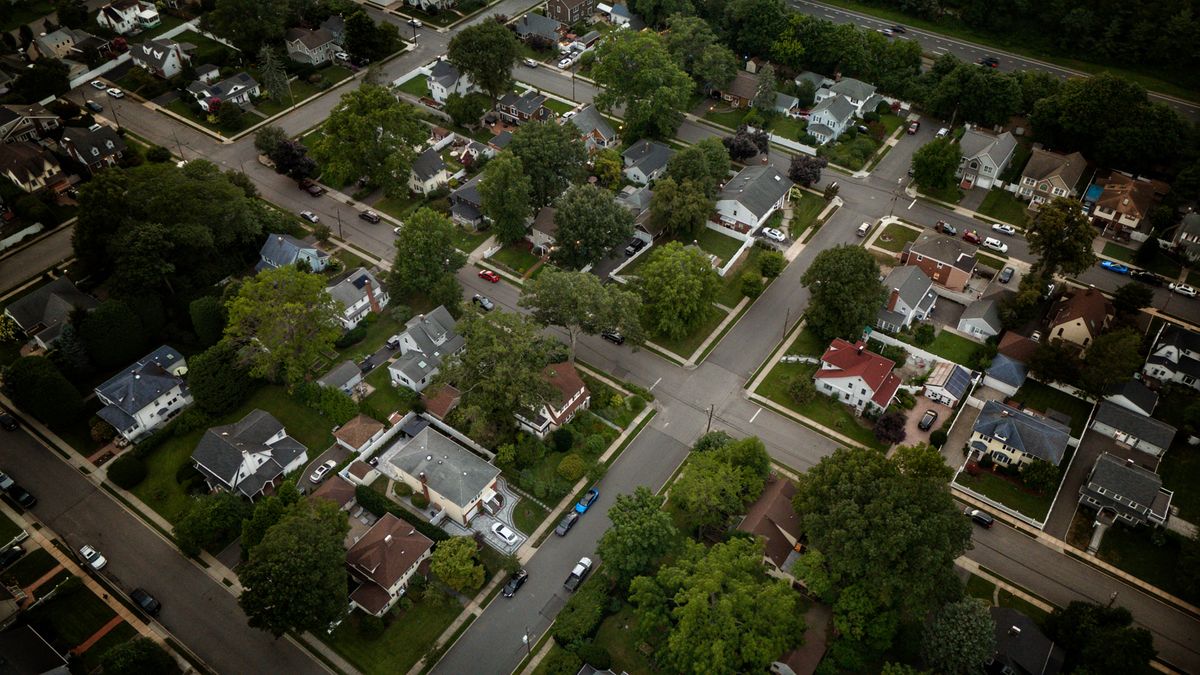
If you’re thinking about living in Raleigh NC, here’s something the listing photos won’t show you: the small house next door might not stay a small house. Raleigh’s zoning now allows more kinds of homes on more residential lots than it used to, and you might not find out until the bulldozer shows up. That’s not a reason to skip Raleigh. It’s a reason to do ten minutes of homework before you buy.
I walked through six stops around the city in my new video lesson. This post is the companion: the homework, step by step. Watch the full lesson below.
What changed in Raleigh’s zoning
In 2021, Raleigh adopted what it calls its “Missing Middle” zoning changes. They added more housing types, like attached houses and townhouses, to residential districts that used to allow mostly single-family homes, and removed some density limits. A 2022 follow-up, “Missing Middle 2.0,” went further. You can see both on the city’s list of adopted text changes.
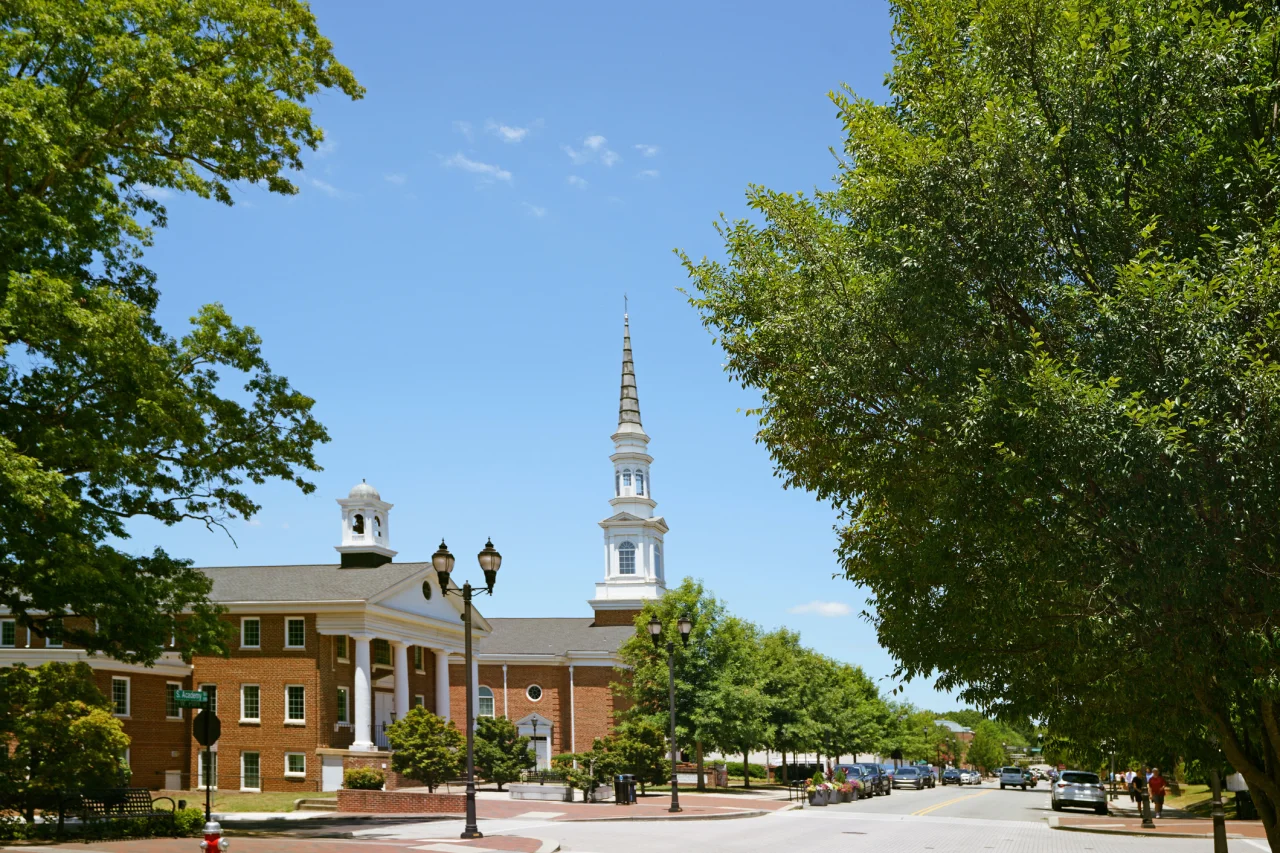
In older neighborhoods, you can already see the result. Near NC State, smaller older homes are coming down and new, larger homes are going up beside the ones still standing. That’s called infill.
What it means for you depends on which side of the fence you’re on. If you own the lot, it can be good news. If you’re buying next to one, it can be a surprise. If you own an older property that doesn’t fit today’s rules, I cover that in nonconforming use and what happens when the property sells.
How to check a Raleigh lot in about ten minutes
- Look up the zoning. The city’s Find My Zoning page points you to iMAPS, the county’s map. Check the house you like and the lots on each side and behind it.
- Read the neighborhood’s own rules. HOA covenants or deed restrictions can still say no to a duplex even when the zoning says yes. Ask for them early, while you can still walk away.
- Check for a historic district. In Raleigh’s historic districts, like Boylan Heights, exterior changes generally go through a design review first. Think of it as an HOA with a history degree.
The rest of the homework for living in Raleigh NC
Taxes. Inside Raleigh, you pay county tax and city tax. In the video I use a hypothetical $400,000 assessed home, which comes to about $3,636 a year at this year’s combined rate. Compare homes by the total monthly cost: mortgage, taxes, insurance and any HOA dues. If you’re selling, I cover how property taxes get split at closing.
Getting around. Raleigh is still mostly a driving city. Drive your commute at the real time on a real weekday. The map app tells you what’s possible. Tuesday at 5:15 tells you the truth.
Schools. Look up the assigned schools for the exact address on the Wake County Public School System website yourself. Assignments can change, so don’t rely on a listing description.
Noise. In Glenwood South or downtown, visit on a Friday night before you buy, not just on a quiet Tuesday afternoon.
If you’re comparing Raleigh with its neighbor, my Living in Cary pros and cons post covers the other side of the Beltline. If you already own in Raleigh and you’re weighing a sale, I cover that in selling a home in Raleigh this fall.
Thinking about living in Raleigh NC?
I’d love to help you think it through. Book a free 15-minute strategy call with me at First Flight Realty, and join Class Notes for a short lesson like this one every Friday.
Keep learning with the Professor
- Watch this lesson on YouTube
- Subscribe on YouTube
- Read the latest Class Notes
- Get Class Notes every Friday
- What’s your home worth?
Mike Hall, The Triangle Real Estate Professor, is a broker with First Flight Realty in Cary, NC, and an NCREC-approved real estate instructor. General information, not legal or tax advice; check current zoning and tax rates with the City of Raleigh and Wake County.